Breakfast Words in English for Kids
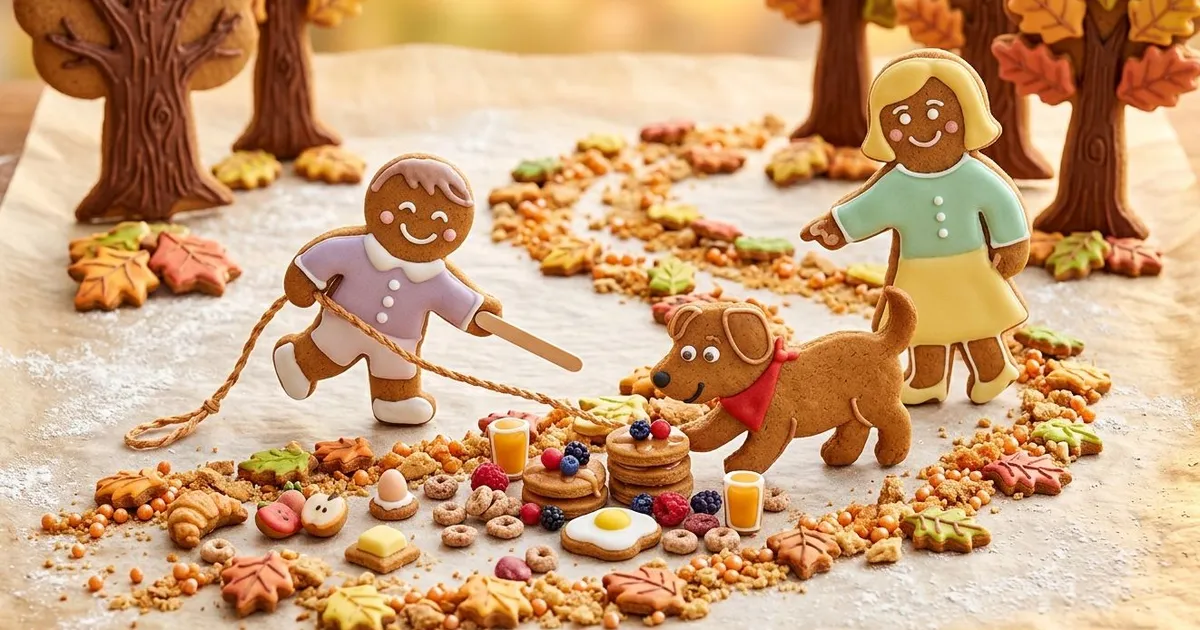
Five connected word groups—foods, drinks, table items, actions, and describing words—help children name breakfast items and make requests. Breakfast Words in English for Kids: Vocabulary and Activities begins with nouns such as bread, milk, fruit, and cup, then adds verbs such as pour, spread, peel, and eat. Practise four to seven words per short session with foods your family serves: bread and cheese, rice and eggs, yoghurt and fruit, soup, or another meal. Children learn faster when each word supports a choice, action, or message at the table.
📥 Breakfast Words and Phrases Practice
A printable worksheet for learning and using everyday breakfast English
Leave your email — we'll send the PDF to your inbox.No spam — the PDF plus one short reminder. Unsubscribe anytime.
Breakfast Words to Learn First
Start with these core words and short examples before adding more specific vocabulary.
I eat an apple after lunch.
A banana is easy to pack.
We have bread for breakfast.
Cheese goes in the sandwich.
She drinks milk with cereal.
Drink water after playing.
A carrot is orange.
Rice is on the plate.
Begin with nouns your child can see and touch: bread, toast, cereal, porridge, rice, eggs, cheese, yoghurt, fruit, banana, apple, berries, jam, butter, honey, and pancakes. Drinks include water, milk, juice, tea, and hot chocolate. Add cup, glass, bowl, plate, spoon, fork, knife, napkin, and lunch box when they appear at your table.
Teach words in connected groups, not one long list. A child might learn bowl, spoon, cereal, a breakfast drink, pour, and eat together because they form one scene. Breakfast Words in English for Kids: Vocabulary and Activities builds confident use rather than quick memorisation: “Pour the beverage,” “My toast is crunchy,” or “I need a spoon.”
Useful Phrases for a Real-Life Breakfast Routine
Single words label objects; phrases help children participate. Model short patterns: “I would like cereal,” “Can I have a banana?”, “Please pass the milk,” and “I do not want jam.” Younger learners can begin with “A drink, please” and add the longer form after understanding its meaning.
Breakfast Words in English for Kids: Vocabulary and Activities supports basic grammar. Use a with one countable item: “a banana,” “an egg,” or “a cup.” Use some with amounts: “some porridge,” “some rice,” or “some yoghurt.” Children can hear the pattern repeatedly before receiving a formal explanation.
Add questions offering a genuine choice: “Would you like toast or cereal?”, “Is your drink hot or cold?”, and “How many eggs are there?” Do not turn every meal into a test. Speak naturally, pause for an answer, and model the response when needed. Communication matters more than perfect grammar at this stage.
Examples Children Can Adapt

A breakfast description might be: “I have toast and fruit for breakfast. I drink water. The toast is warm and crunchy.” A confident learner can add sequence words: “First, I peel the banana. Next, I cut it into pieces. Then I put it in my porridge.” These models combine breakfast nouns, actions, and descriptions.
Children can practise preferences: “I like eggs, but I do not like cheese,” or “My sister likes warm cocoa.” Encourage respectful descriptions of unfamiliar foods. “I have not tried it” is better than calling another family’s meal strange. Breakfast varies across homes, cultures, school days, and weekends.
For reading practice, write a short menu featuring familiar items. Your child can choose a meal and say, “I would like pancakes with berries and a glass of a creamy drink.” Older children can compare two menus, explain their preference, or write instructions for preparing breakfast without a cooker.
Activities for Different Ages
For school-age kids, use objects, toy food, or pictures. Place a cup, spoon, banana, and bowl on the table. Say, “Touch the bowl,” “Give me the spoon,” or “Put the banana on the plate.” Maintain a playful pace and stop while your child remains engaged. Repeat the actions another day to reinforce vocabulary.
For school-age kids, play breakfast café. One person serves and another orders. The customer asks, “Can I have…?” and the server replies, “Here you are.” Swap roles after a few orders. Breakfast Words in English for Kids: Vocabulary and Activities works well when children listen, choose, and speak for a purpose.
For school-age kids, assign planning and comparison tasks. Ask your child to create a weekday menu, label ingredients, and explain how to prepare one item. They can compare breakfast habits in two countries using reliable sources without claiming everyone eats identical food. The task combines research, presentation, and vocabulary practice.
Easy Practice at Home
Choose one breakfast language goal for a few days. Focus on requests during the week, then actions at the weekend. Place removable word labels near a bowl, cup, or spoon, away from hot surfaces and food preparation areas. Remove each label after your child recalls the word unaided.
Build a Breakfast Tray
Place safe items on a tray. Let your child look for 20 seconds, then cover it and remove one item. Ask, “What is missing?” The child answers with a word or sentence: “The spoon is missing.” Swap roles so your child gives the instructions.
Picture sorting works when mealtime does not suit study. Sort cards into food, drinks, table items, and actions. Or play “would you rather”: “Would you rather have porridge or toast?” Request one reason: “I choose toast because it is crunchy.” Throughout Breakfast Words in English for Kids: Vocabulary and Activities, effective practice connects a word with a choice, action, or message.
Common Mistakes and Simple Corrections

Children may say “I eat juice” or “I drink a toast” when applying a familiar pattern. Correct the error within a natural reply: “Yes, you drink it,” or “You eat toast.” Do not interrupt the conversation. A short model often works better than a long grammar lesson.
Another difficulty is confusing cup with glass, or cereal with porridge. Show the item or a picture and contrast the meanings. Explain regional variation too. For example, British English often uses porridge, while American English may use oatmeal. Both terms are valid.
Avoid teaching only picture nouns. If children know twelve food names but cannot request one, their vocabulary remains passive. Pair each noun with an action or sentence frame: “Peel a banana,” “Pour the juice,” or “I would like rice.” Review older and newer words together to maintain connections.
- Practice five breakfast words with children ages four to six before eating.
- Use picture cards to correct article errors: say “an egg,” not “a egg.”
- Try three-choice questions, then model the correct word without criticism.
- Read one breakfast-themed picture book and repeat each new noun twice.
- Review Breakfast Words in English for Kids: Vocabulary and Activities during cleanup.
When a word has several meanings or pronunciations, Cambridge Dictionary is a useful check before turning it into child-friendly examples.
Frequently Asked Questions
How Many Breakfast Words Should a Child Learn at Once?
For a beginner, four to seven connected words suit one short session. Choose items appearing together, such as cereal, a drink, bowl, spoon, pour, and eat. An older or experienced learner may handle a larger set, but recall matters more than list length. Review words in sentences before adding more.
Should Children Learn British or American Breakfast Words?
Start with the variety used at school, in lessons, or in media your child follows. Introduce regional alternatives when they arise, such as porridge and oatmeal. Children who speak multiple languages often understand that one idea can have different labels. Neither form must become the only correct choice.
What If Our Family Does Not Eat the Foods in the Examples?
Replace them with foods from your breakfast table. The patterns still work: “I eat rice,” “Please pass the cheese,” or “This soup is warm.” Breakfast Words in English for Kids: Vocabulary and Activities should describe real family life, not an unfamiliar menu. Pictures can introduce other foods later.
How Often Should We Practise Breakfast Vocabulary?
Brief practice two or three times a week is easier than one long session. Practise for two or three minutes during a calm breakfast, while putting away dishes, or through picture play later. Revisit words in new combinations. Stop if practice creates stress around eating.
- Start with four to seven connected words from one breakfast scene.
- Practise each noun with an action, request, or describing word.
- Use the vocabulary during short, calm activities several times a week.
Want to see how these ideas work in a real lesson — try a LearnLink trial lesson.
Stay updated on our latest tips and resources by following us on Instagram LearnLink.